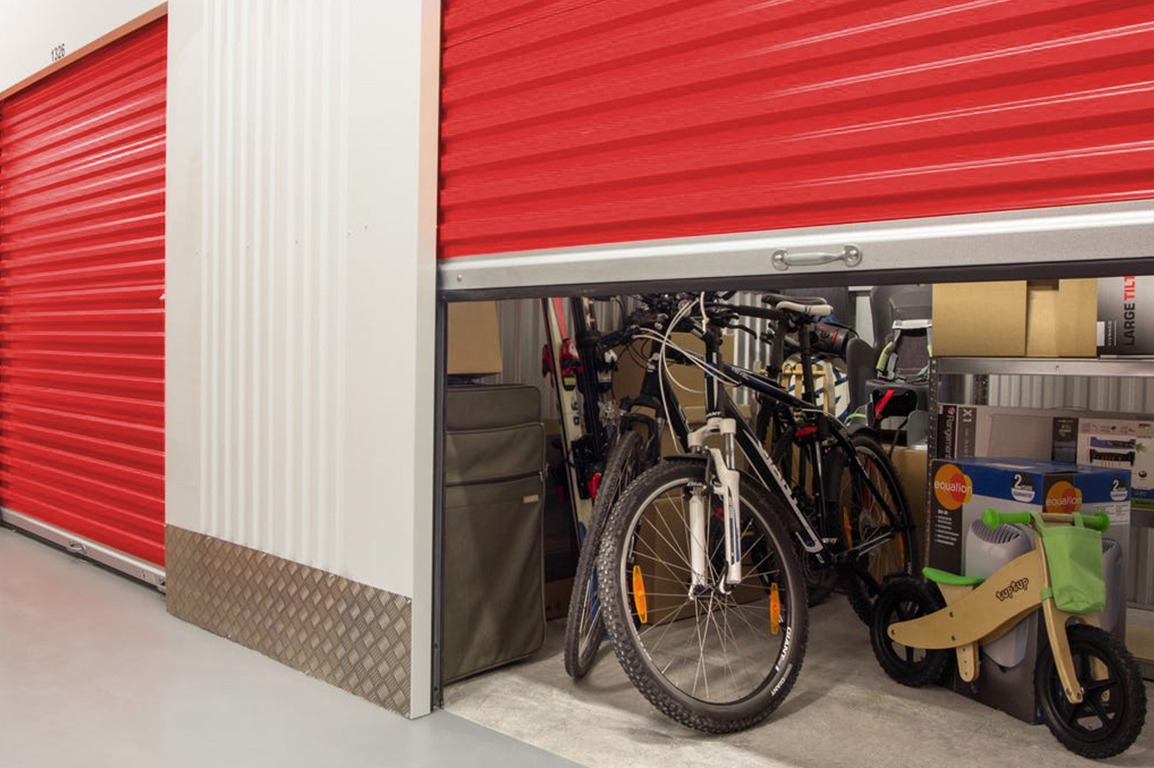
The rise of cycling as both a recreational activity and a practical mode of transportation has led to a significant increase in demand for well-stocked bicycle warehouses. These facilities serve as centralized hubs for storing, distributing, and selling bicycles and related gear, catering to both casual riders and professional cyclists. A bicycle warehouse not only provides access to a wide range of bikes but also offers essential services such as maintenance, accessories, and expert advice, ensuring that cyclists can find everything they need under one roof.
A bicycle warehouse is more than just a storage facility; it is a comprehensive destination for cycling enthusiasts 單車倉. Customers can find a variety of bicycles, including mountain bikes, road bikes, hybrid bikes, electric bikes, and children’s bicycles. The warehouse format allows retailers to stock large quantities of inventory, ensuring that popular models and sizes are readily available. This level of availability is particularly important for seasonal demands, such as summer or holiday periods, when the popularity of cycling increases.
One of the primary advantages of a bicycle warehouse is the diversity of products offered. In addition to bicycles, these warehouses typically carry a full range of accessories, including helmets, locks, lights, pumps, cycling apparel, and spare parts. Having all these products in one location provides convenience for customers and encourages them to make comprehensive purchases. Cyclists benefit from being able to equip themselves fully without the need to visit multiple stores, saving both time and effort.
Pricing is another factor that makes bicycle warehouses appealing to consumers. Due to the large volume of inventory and bulk purchasing capabilities, warehouses can often offer competitive prices compared to smaller retail outlets. Discounts on bicycles, seasonal sales, and bundled deals for accessories make warehouses an attractive option for both new and experienced riders. This cost-effectiveness ensures that more people have access to quality cycling equipment without compromising on performance or safety.
Bicycle warehouses also focus on providing expert knowledge and support to customers. Staff members are typically trained and experienced in various aspects of cycling, from selecting the right bike to performing maintenance and repairs. This expertise is invaluable for beginners who may be unsure of which type of bicycle suits their needs, as well as for seasoned riders seeking specialized models or performance enhancements. Personalized recommendations and professional guidance contribute to a positive shopping experience.
Maintenance and repair services are another critical aspect of bicycle warehouses. Bikes require regular care to function safely and efficiently, and warehouses often offer workshops where trained technicians handle tune-ups, tire replacements, brake adjustments, and other repairs. Some warehouses provide service packages or warranties that encourage regular upkeep, prolonging the lifespan of bicycles and ensuring optimal performance. These services help build long-term relationships with customers, who return not only for new purchases but also for ongoing support.
The layout and organization of a bicycle warehouse play a significant role in enhancing the customer experience. Wide aisles, clearly marked sections, and organized displays allow shoppers to browse different types of bicycles and accessories easily. Test ride areas, if available, give customers the chance to experience bikes firsthand before making a purchase. A well-organized warehouse reduces confusion, minimizes congestion, and ensures that customers can quickly locate the products they need.
E-commerce integration is increasingly important for modern bicycle warehouses. Many facilities complement their physical presence with online stores, allowing customers to browse inventory, compare models, and place orders from the comfort of their homes. Online platforms often provide detailed specifications, customer reviews, and instructional content to assist buyers in making informed decisions. The combination of a physical warehouse and a robust online presence ensures that warehouses remain competitive in a digital marketplace.
Bicycle warehouses also serve as community hubs for cycling enthusiasts. Some warehouses host events such as group rides, workshops, or charity rides, fostering a sense of community among local cyclists. These activities help promote cycling as a healthy and environmentally friendly mode of transportation while creating brand loyalty and awareness. Customers appreciate businesses that support the cycling community, which further enhances the reputation and appeal of the warehouse.
Inventory management is a critical component of a successful bicycle warehouse. Efficient systems ensure that popular models are consistently available while minimizing excess stock of less popular items. Advanced inventory tracking allows warehouses to anticipate demand trends, plan seasonal promotions, and maintain optimal stock levels. This efficiency reduces waste, improves cash flow, and ensures that customers can reliably find the bicycles and accessories they need.
Safety is a priority in both the products sold and the environment of a bicycle warehouse. High-quality bicycles, helmets, and protective gear ensure that customers can ride safely, while the warehouse itself adheres to safety regulations, such as proper storage of inventory, clear signage, and safe handling of heavy items. Providing a secure environment for both staff and customers reinforces trust and professionalism.
The rise of electric bicycles has introduced new opportunities for bicycle warehouses. E-bikes are gaining popularity due to their ability to assist riders on longer commutes or challenging terrain. Warehouses that stock and service e-bikes cater to a growing market segment, providing specialized batteries, motors, and maintenance expertise. By embracing technological advancements in cycling, warehouses can attract a broader audience and stay relevant in a competitive industry.
Sustainability and environmental considerations are increasingly relevant in the cycling industry. Bicycle warehouses contribute to eco-friendly practices by promoting cycling as a mode of transportation that reduces carbon emissions. Some warehouses partner with manufacturers that use sustainable materials or implement recycling programs for old bicycles and components. Encouraging responsible consumption aligns with the values of environmentally conscious customers and enhances the warehouse’s brand reputation.
Customer service is a defining characteristic of a successful bicycle warehouse. From personalized consultations to after-sales support, attentive service ensures that customers feel valued and confident in their purchases. Responsive communication, flexible return policies, and knowledgeable staff create a positive shopping experience that encourages repeat business. In a competitive market, excellent customer service distinguishes leading bicycle warehouses from other retailers.
In conclusion, a bicycle warehouse offers more than just storage; it is a comprehensive destination for cycling enthusiasts seeking quality bicycles, accessories, and support. With a wide selection of products, competitive pricing, expert guidance, maintenance services, and community engagement, bicycle warehouses provide convenience, reliability, and an enhanced shopping experience. As cycling continues to grow in popularity for recreation, commuting, and fitness, the role of bicycle warehouses becomes increasingly important. For anyone looking to purchase or maintain a bicycle, a well-managed warehouse serves as a trusted partner in supporting their cycling journey.